
Emergency water damage help in Boulder, CO
24/7 water damage restoration in Boulder
Burst pipe, flooded basement, or sewer backup? Call now and a certified Boulder crew comes out to inspect the damage, starts drying fast, and documents everything for your insurance.
- Answered 24/7Nights, weekends, and holidays
- IICRC-certified crewsTrained to the S500 drying standard
- Insurance paperworkPhotos, moisture logs, Xactimate
- Serving ZIPs 80301–80314Every part of Boulder

We work with your insurance company
Crews handle water damage claims from every major carrier, including:
- State Farm
- Allstate
- USAA
- Farmers
- American Family
- Liberty Mutual
- Travelers
- Nationwide
Insurers are named for reference only. We are not affiliated with or endorsed by any insurance company.
What happens when you call
- 1
A dispatcher answers
Day or night. Three quick questions: where the water is coming from, how long it's been, and your ZIP.
- 2
A local crew is sent out
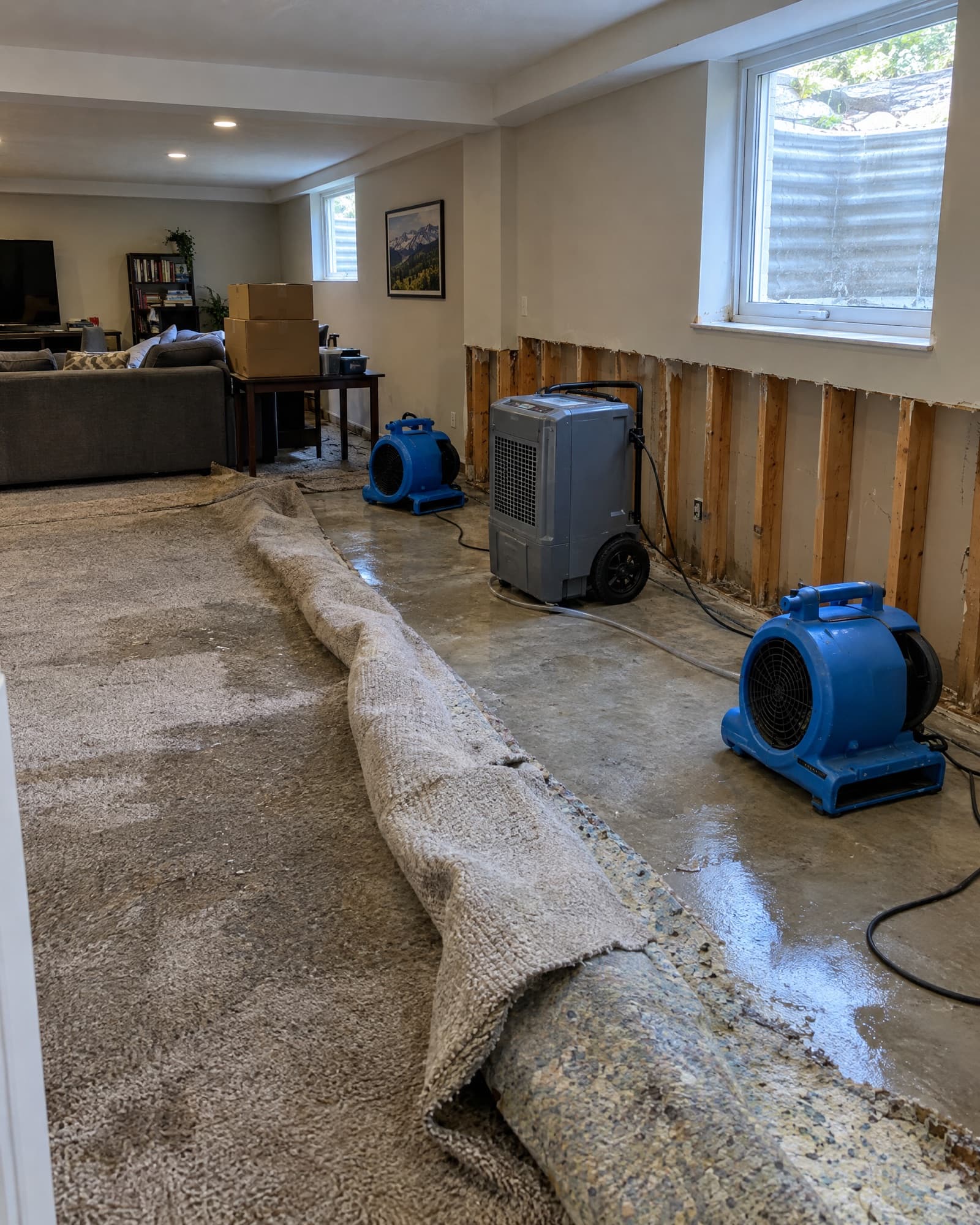
An IICRC-certified crew that works in your part of Boulder comes to inspect and measure the moisture.
- 3
Drying starts when you say go
They map the moisture, document everything for your adjuster, and set up drying equipment.
Water damage restoration services in Boulder
Every crew follows the IICRC S500 standard, the same benchmark your adjuster uses to review the bill.
Burst & frozen pipes
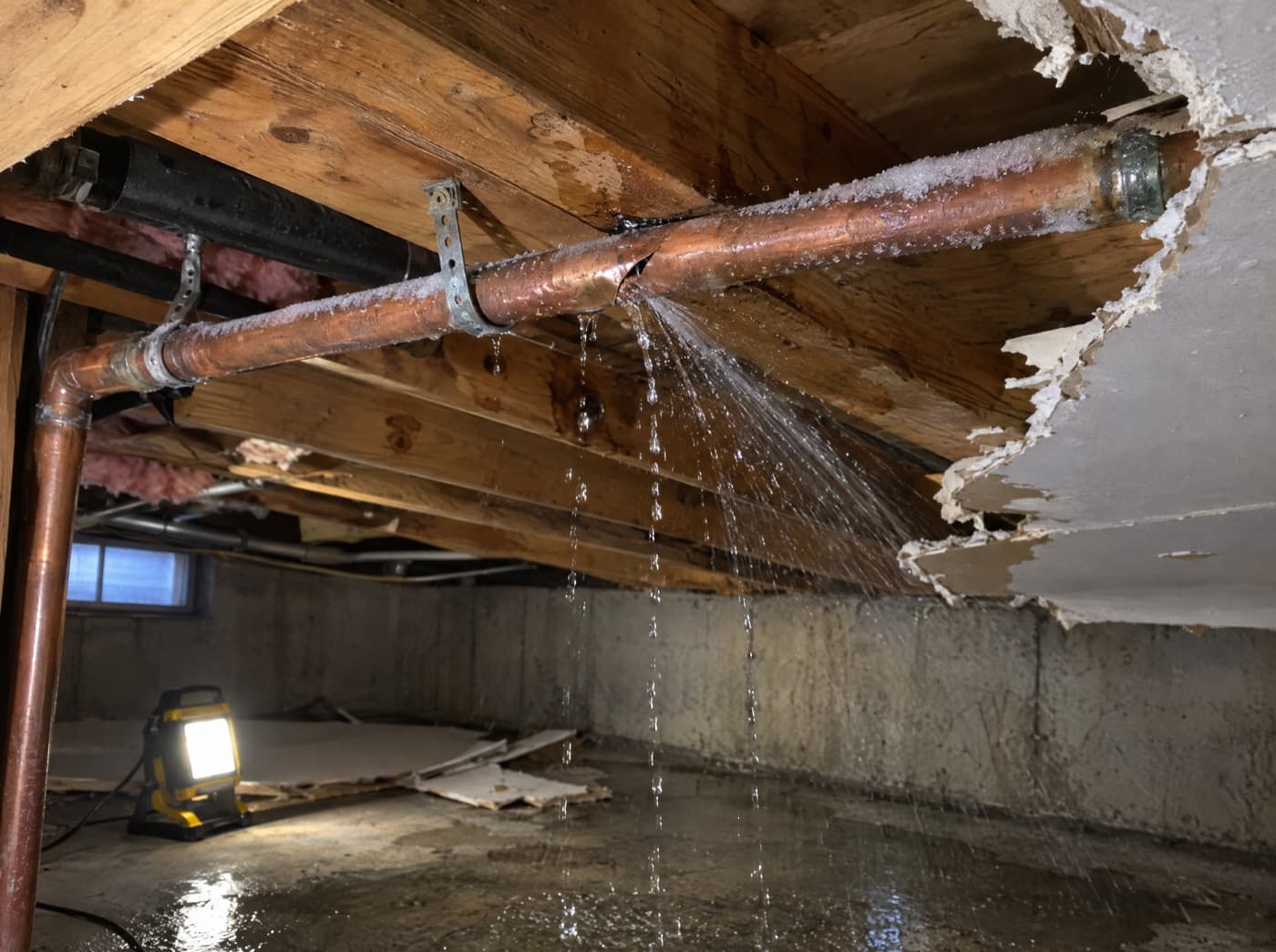
Split supply lines in walls, ceilings, and crawlspaces. Extraction, drying, and controlled tear-out.Category 1 when caught earlyFlooded basements
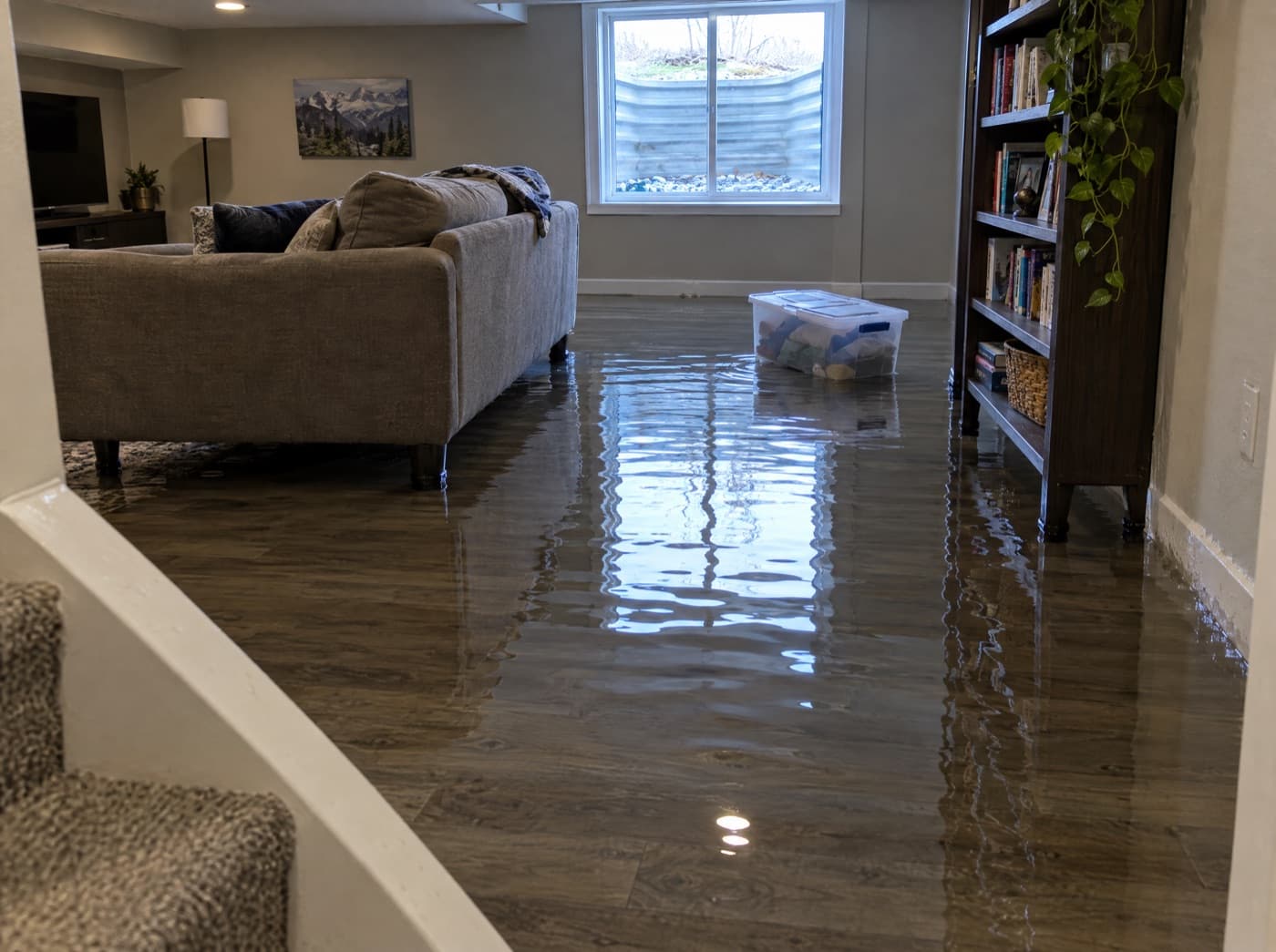
Sump pump failures, foundation seepage, and snowmelt. Pump-out, drying, and finished-basement recovery.Usually Category 2Water heater & appliance leaks
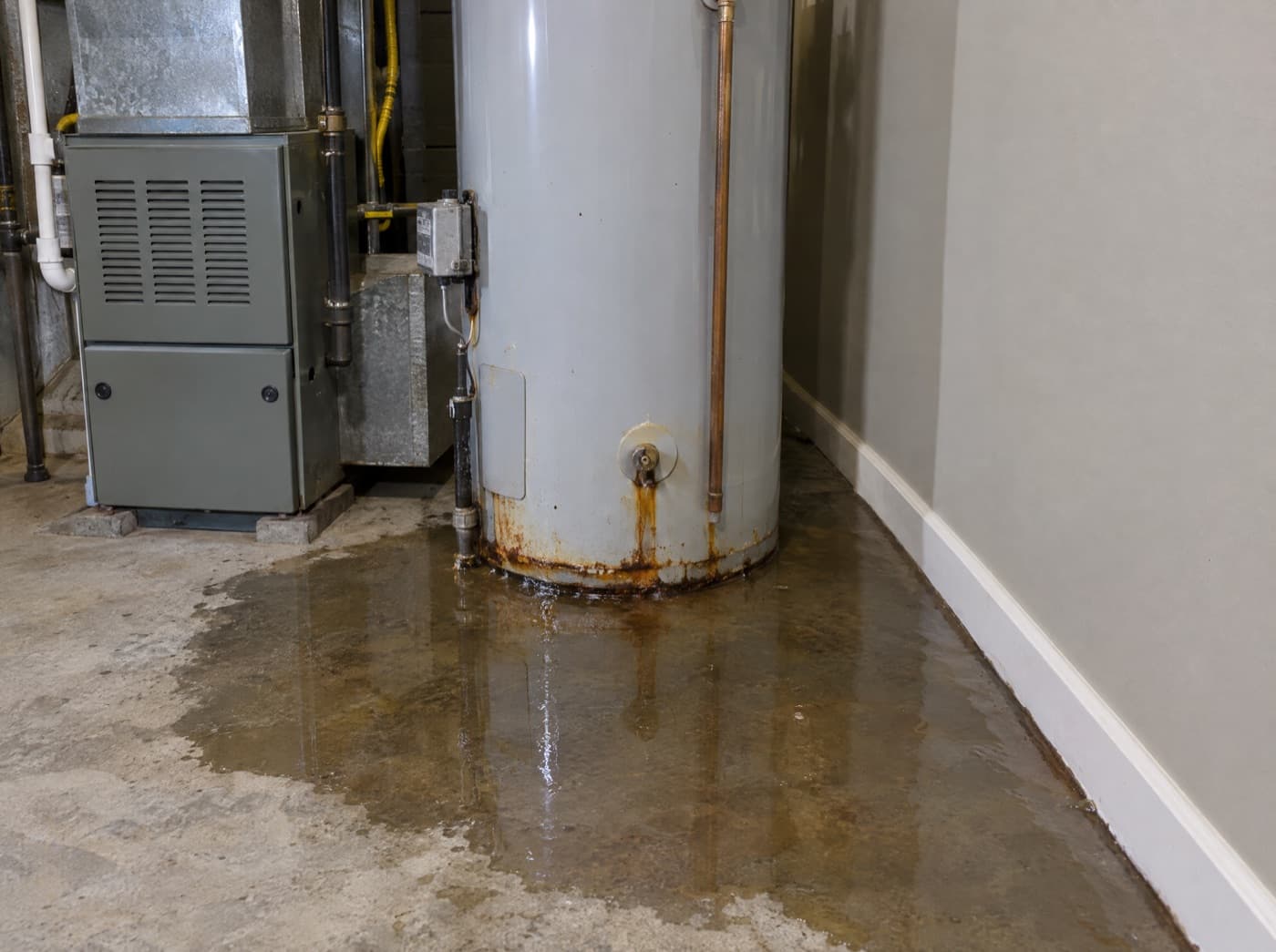
Water heaters, washer hoses, dishwashers, and fridge lines. Fast extraction keeps floors and cabinets salvageable.Category 1 to 2Sewage backups
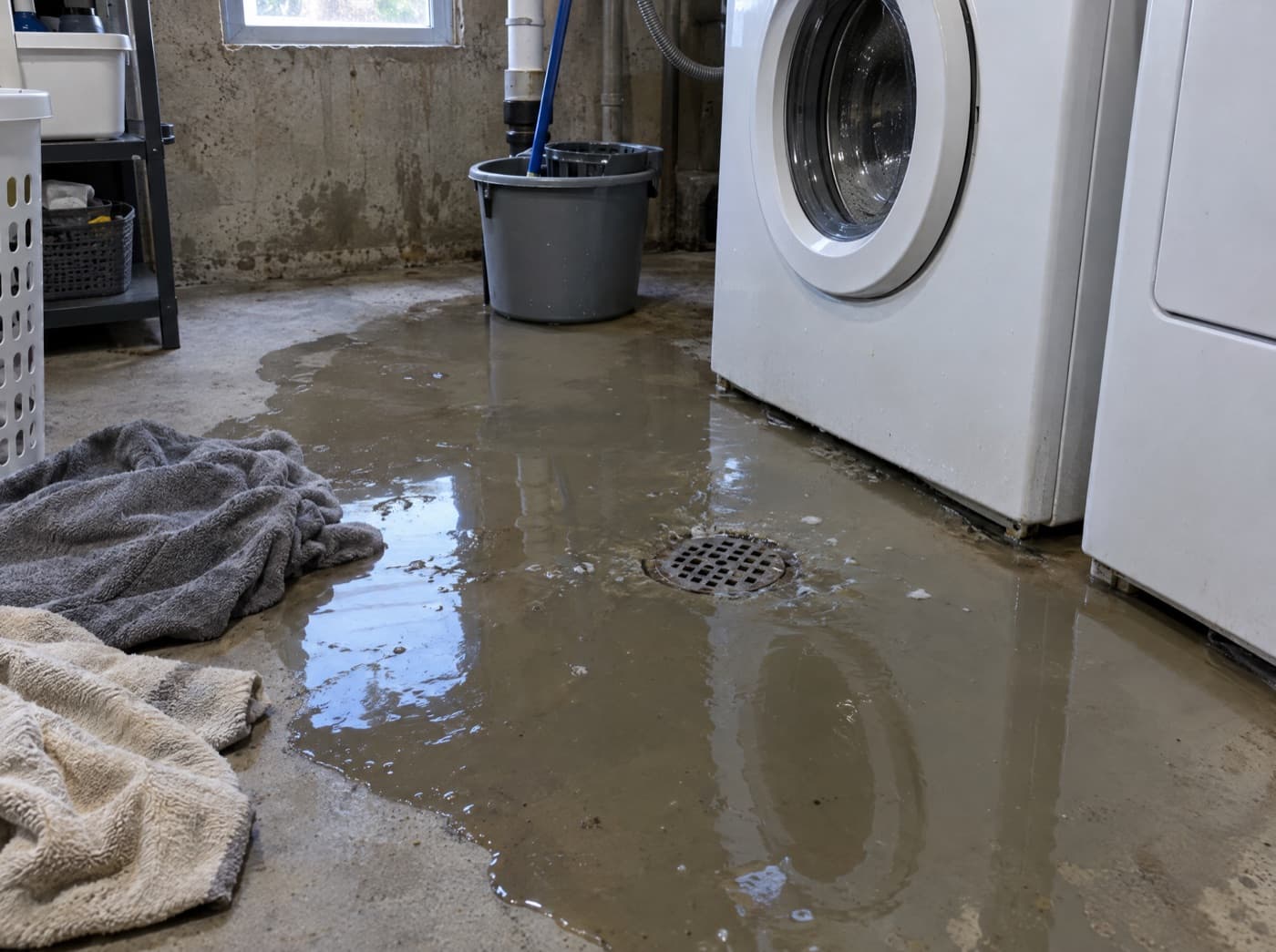
Toilet overflows, floor drains, and main-line backups. Containment, removal, and disinfection of Category 3 water.Category 3Water extraction & drying
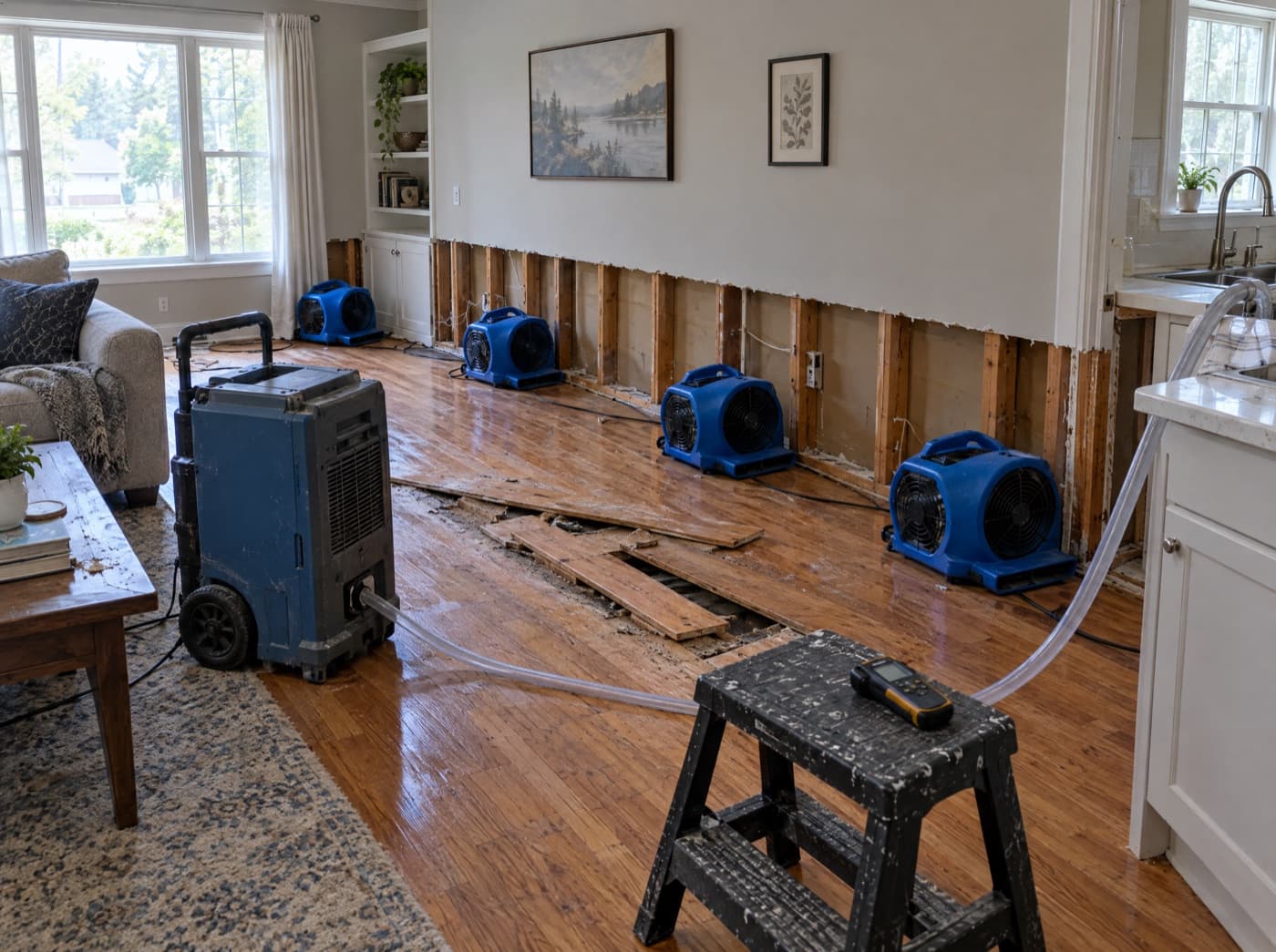
LGR dehumidifiers and air movers set to IICRC S500, with daily moisture readings until materials hit dry standard.Every water jobMold prevention
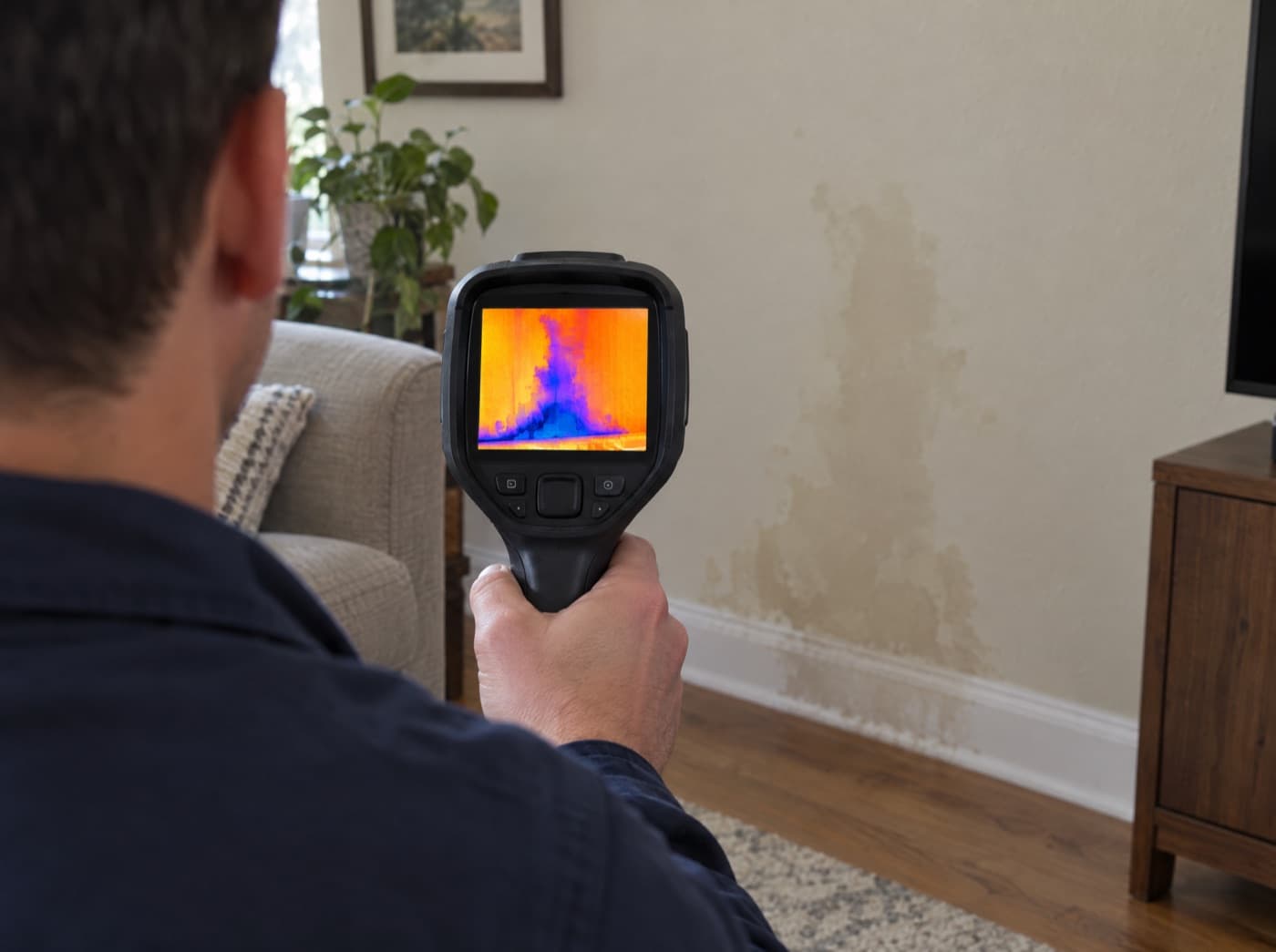
Thermal moisture mapping, antimicrobial treatment, and fast drying to stop mold before it starts.Water left 24+ hours
Free water damage estimator
Know what your cleanup needs before anyone walks in the door.
Four questions, about a minute. No sign-up, no phone number. It's an estimate, not a quote.
- Equipment counts
- Water category and class
- Typical drying time
- Insurance outlook
Where is the water coming from?
Pick the closest match. The source sets the water category.
Your drying scope estimate
Boulder
- Water category
- ...
- Evaporation class
- ...
- Extraction
- ...
- LGR dehumidifiers
- ...
- Air movers
- ...
- Antimicrobial
- ...
- Typical drying time
- ...
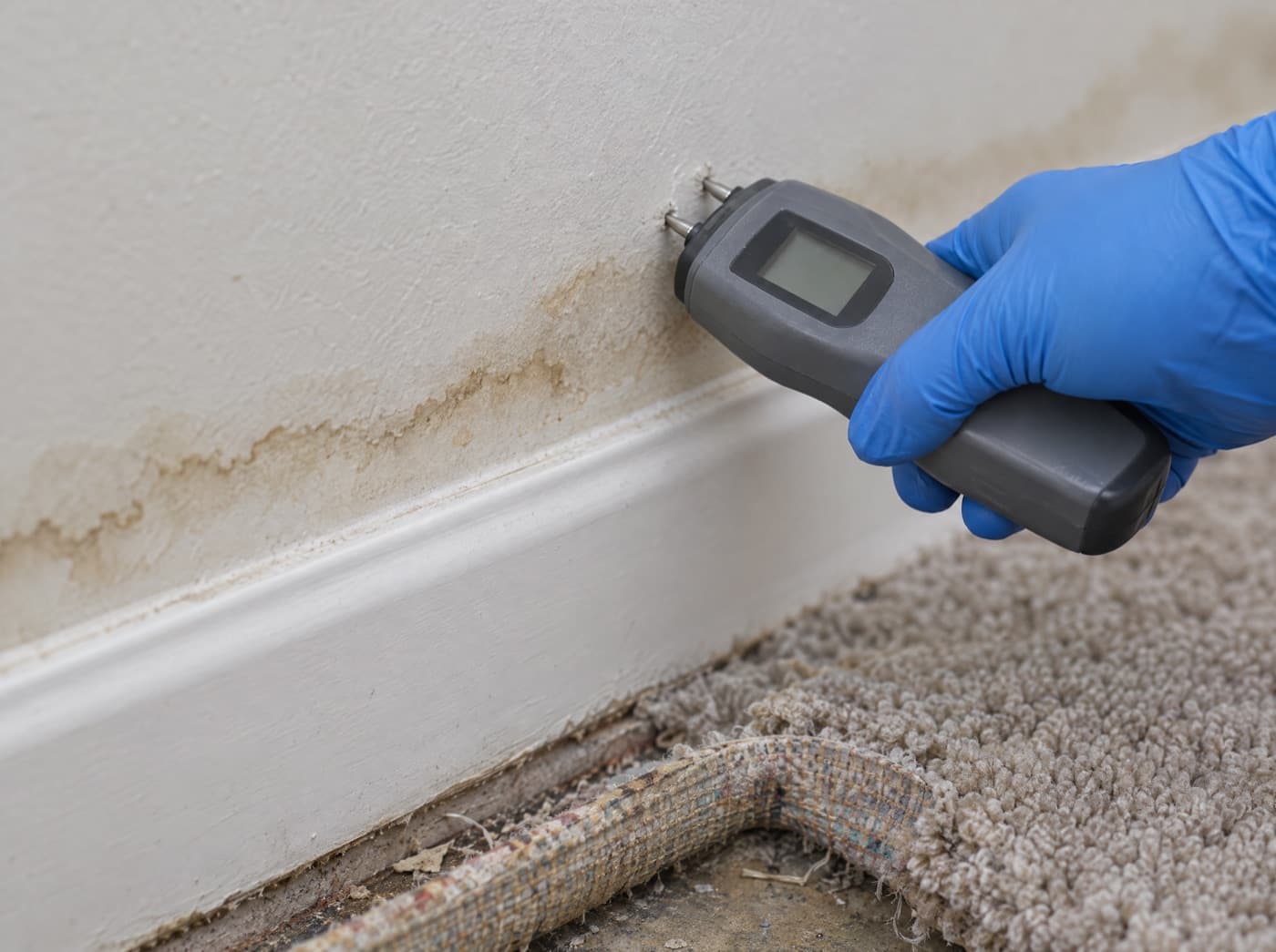
- Moisture mapping & claim photos
- Done on site
Answer four quick questions to build your scope. In a hurry? Call (720) 806-6511
Water still coming in? Shut off the main, then call.
Buffs game day at Folsom Field or 3 a.m. on a Tuesday, the line is open 24/7.
Does homeowners insurance cover water damage in Colorado?
It depends on where the water came from more than how bad it looks. Pick your situation to see what a standard HO-3 policy typically pays, and what to watch for.
Sudden and accidental water from plumbing, heating, or a household appliance is the core water peril in a standard HO-3 policy. After your deductible (commonly $1,000 to $2,500), drying and resulting repairs are typically paid.
Typically paid
- Water extraction, structural drying, and dehumidification
- Tearing out drywall or flooring needed to dry the house or reach the leak
- Rebuilding damaged finishes, plus contents up to your limits
- Hotel or rental costs if the home can't be lived in
Watch for
- The broken pipe or failed appliance itself is usually not covered
- Slow leaks that went on for weeks are excluded
- Freeze damage can be denied if the home was unheated and the water wasn't shut off
General information, not insurance advice. Questions about a claim decision? The Colorado Division of Insurance helps consumers with complaints and questions.
What to do in the first 15 minutes after water damage
These protect your house, your safety, and your claim. Tap each one as you go.
Why Boulder homes take on water differently
- 1
Big temperature swings
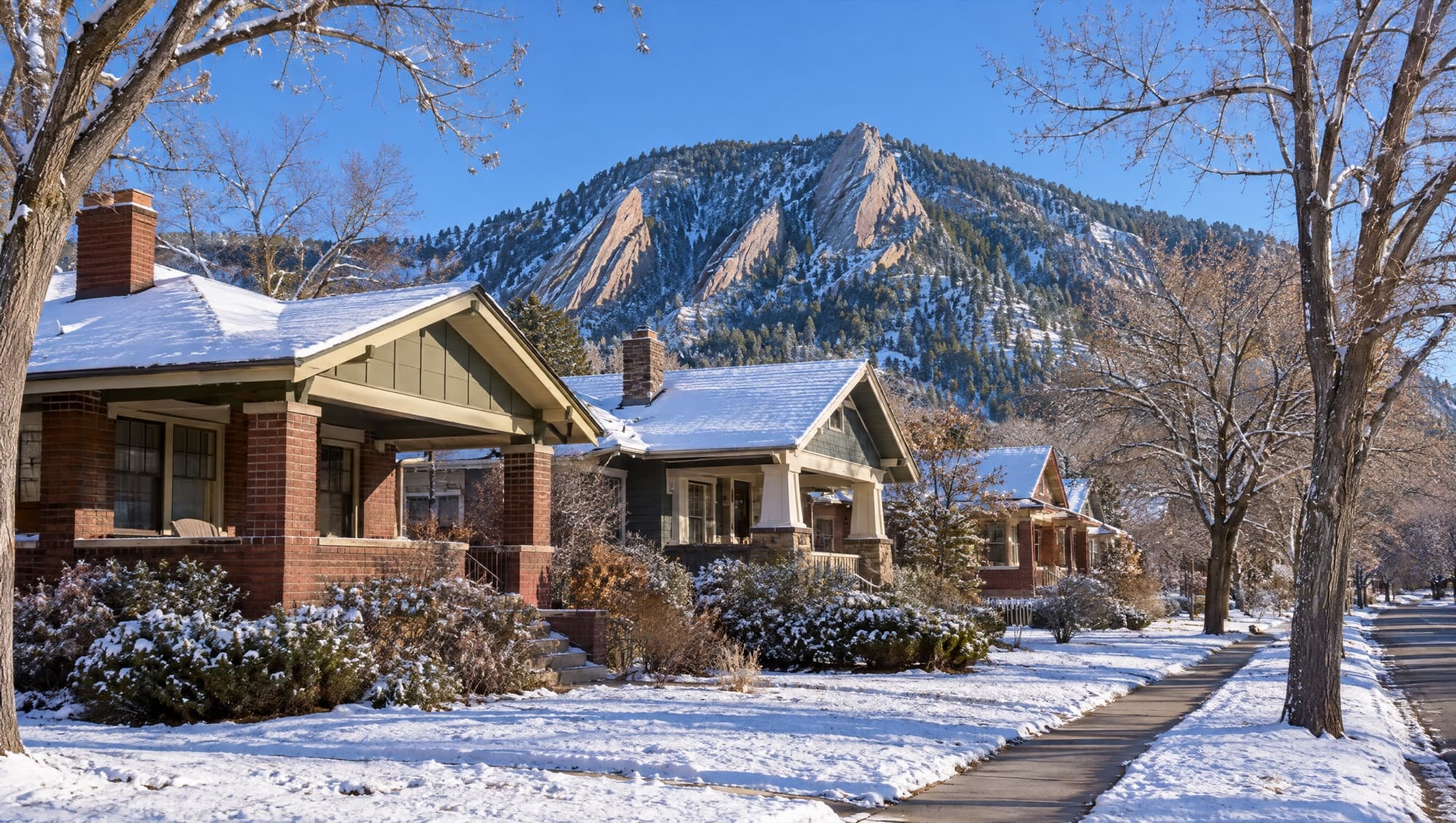
Chinook winds can push a January afternoon into the 50s before a hard overnight freeze. Pipes in exterior walls, garages, and crawlspaces take that cycle again and again.
- 2
Record rainfall happens here
On September 12, 2013, Boulder recorded 9.08 inches of rain, nearly double its previous wettest day. Creek corridors and basements across the city flooded.
Source: National Weather Service - 3
Spring snowmelt and groundwater
Snowmelt off the foothills raises groundwater against basement walls from March through May. That is when tired sump pumps tend to fail.
- 4
Swelling clay soils
Much of the Front Range sits on expansive clay that swells when wet and shrinks when dry, which stresses foundations and the supply lines that run through them.
Source: Colorado Geological Survey
Heading to Folsom Field or out of town? Protect your pipes first.
November Buffs games at Folsom Field can kick off in freezing weather, and Broncos road trips and ski weekends leave a lot of Boulder houses empty at the coldest time of year. If it's cold enough for a blanket in the stands, it's cold enough to split a pipe at home.
Save (720) 806-6511- 1
Heat at 55°F or higher
Even if you're only gone for the day. Cold rooms are where pipes split.
- 2
Open the sink cabinets
On outside walls, so warm air reaches the pipes behind them.
- 3
Disconnect garden hoses
Then close the indoor shutoff that feeds each outdoor faucet.
- 4
Leaving for 2+ days? Shut off the main
A closed main valve turns a burst pipe into a small puddle.
- 5
Ask a neighbor to check in
Especially when the forecast drops into the single digits.
- 6
Save our number now
So you're not searching for it from the stadium parking lot.
Boulder neighborhoods and ZIP codes we serve
Every part of town, from Gunbarrel to Table Mesa. Housing changes a lot across Boulder, and so do the problems.
| ZIP | Area | Homes and common calls |
|---|---|---|
| 8030280304 | Central, West & North BoulderDowntown & Pearl Street, Mapleton Hill, University Hill, Newlands, North Boulder, Wonderland LakeFrozen supply lines in exterior walls, hillside snowmelt seepage, aging galvanized pipe | Pre-war homes with stone or block foundations; finished basements on sloped lotsFrozen supply lines in exterior walls, hillside snowmelt seepage, aging galvanized pipe |
| 8030380305 | East & South BoulderMartin Acres, Table Mesa, Frasier Meadows, Baseline, Devil's ThumbSump pump failures, crawlspace water, water heater and washer hose ruptures | Mid-century ranch and split-level homes, many over crawlspacesSump pump failures, crawlspace water, water heater and washer hose ruptures |
| 80301 | Northeast Boulder & GunbarrelGunbarrel, Heatherwood, Palo Park, East BoulderBasement seepage after heavy rain, appliance supply lines, sewer backups | 1970s–1990s subdivisions with full basementsBasement seepage after heavy rain, appliance supply lines, sewer backups |
80309, 80310 · CU Boulder campus & residence halls. University buildings. Students should report leaks to housing or facilities staff first.
80306, 80307, 80308, 80314 · PO box & business ZIPs. Not street-delivery ZIPs. Give the dispatcher the ZIP of the property's street address.
In 80301, 80302, 80303, 80304, 80305?Street-side main break? Call City of Boulder Utilities at (303) 441-3200. Water inside the house? Call us.
Water damage questions from Boulder homeowners
Still unsure? Run the estimator or call. Both are free.
How much does water damage restoration cost in Boulder?
It depends on the water category, how many square feet are wet, how long the water sat, and how much drywall or flooring has to come out. That is why we do not quote prices over the phone. A restoration company measures the moisture on site and writes an estimate. When the loss is covered by insurance, most companies bill your carrier directly using Xactimate pricing, and you are responsible for your deductible (commonly $1,000 to $2,500 in Colorado).
Does homeowners insurance cover a burst pipe in Colorado?
Usually, yes. A standard HO-3 policy covers sudden and accidental discharge of water from plumbing, heating systems, and household appliances, including a pipe that freezes and splits. That generally includes drying the house and the tear-out needed to reach the leak. The broken pipe itself is often not covered, and freeze damage can be excluded if a home was left unheated without the water shut off and drained. Your declarations page and adjuster have the final word.
My sump pump failed or the floor drain backed up. Am I covered?
Not under a base HO-3 policy. Water that backs up through drains or overflows a sump is excluded unless you added a water backup endorsement, which often carries its own limit between $5,000 and $25,000. Check your declarations page for the words "water backup" before you call your carrier.
Is flooding from Boulder Creek or a flash flood covered?
Not by homeowners insurance. Surface water and overland flooding are excluded from every standard policy. Flood damage is covered only by a National Flood Insurance Program (NFIP) policy or a private flood policy, and NFIP coverage generally starts 30 days after purchase. Boulder set its all-time one-day rainfall record of 9.08 inches during the September 2013 flood, so it is worth checking your flood zone even outside mapped floodplains.
How fast does mold grow after water damage?
The EPA says mold can start growing on wet materials within 24 to 48 hours. Boulder's air is dry, but basements and wall cavities stay humid much longer than the outdoor air suggests. Getting water extracted and drying equipment running quickly is the best way to prevent mold and keep your claim clean.
Who do I call if water is coming from the street or the city main?
Call City of Boulder Utilities. Their after-hours emergency line is (303) 441-3200. If water is entering your home, shut off your main valve, then call us so a restoration company can start extraction while the city handles the main.
I rent. Can I book a restoration company myself?
Your landlord's insurance covers the building, so the property owner or manager needs to authorize the work. Tell them right away, in writing, and send photos. Your own renters policy may cover your belongings and temporary housing. If water is still flowing and you cannot reach anyone, shut off the water at the main valve.
What is the IICRC S500 standard?
ANSI/IICRC S500 is the industry's standard for professional water damage restoration. It defines water categories (1 clean, 2 gray, 3 black), classes of evaporation load, and how drying should be set up and verified. Adjusters use it as the benchmark when reviewing a mitigation invoice.