Water heater and appliance leak cleanup in Boulder, CO
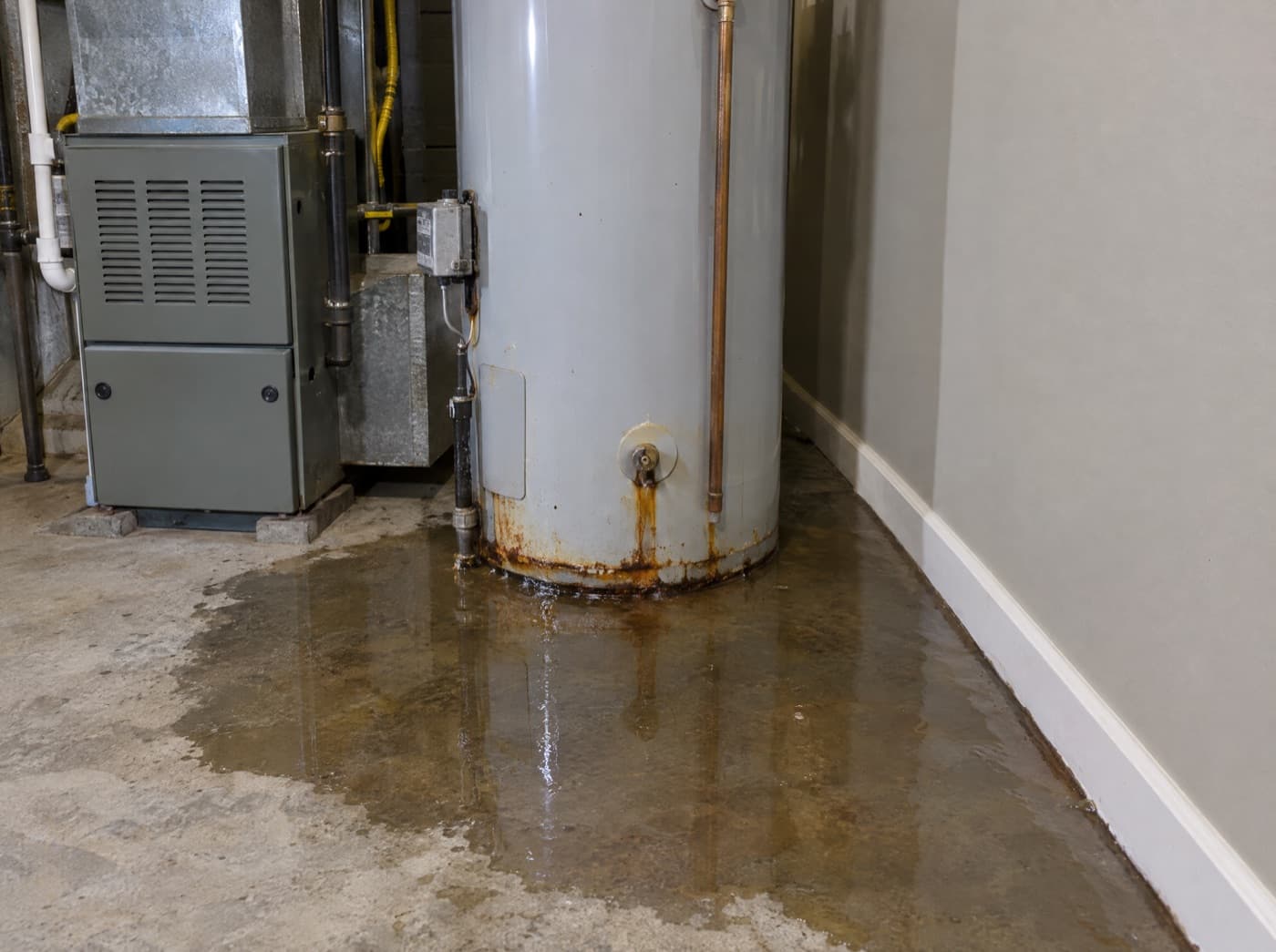
Appliance leaks are sneaky. A washer hose can burst while you're at work, a dishwasher can seep under cabinets for weeks, and a water heater tank can let go all at once and dump 40 to 50 gallons. Because these leaks often start behind or under something, the water travels under flooring and into wall cavities before anyone notices.
Crews handle water damage claims from every major carrier, including:
State Farm
Allstate
USAA
Farmers
American Family
Liberty Mutual
Travelers
Nationwide
Insurers are named for reference only. We are not affiliated with or endorsed by any insurance company.
What to do in the next few minutes
Cabinets and hardwood or laminate floors are the expensive part. Particleboard cabinet bases swell quickly, and water trapped under a floating floor can't dry without help. Getting extraction and drying set up fast is the difference between drying those materials and replacing them.
Water category:Category 1 from supply lines; Category 2 from washer or dishwasher drain water
1Turn off the water to the appliance. For a water heater, close the cold-water valve on top and turn off the gas or the breaker.
2Don't touch a water heater's drain valve or pipes until it has cooled. The water can scald.
3Unplug washers, dishwashers, and refrigerators if you can reach the plug safely.
4Pull out what you can from under sinks and cabinets, and photograph everything.
5Note the appliance's make, model, and age. Your insurer and the manufacturer may ask.
How a certified crew handles water heater & appliance leaks in Boulder
Step 1
Find the edges
Moisture meters and a thermal camera show how far water spread under flooring, cabinets, and into adjacent rooms.
Step 2
Extraction
Water is pulled out of carpet, pad, and from under floating floors so it stops wicking into walls.
Step 3
Cabinet and floor drying
Toe kicks may be removed to dry under cabinets, and specialty drying mats can pull water from hardwood floors.
Step 4
Dehumidification
LGR dehumidifiers and air movers run until wood, drywall, and subfloor read at their dry standard.
Step 5
Records for the claim
Photos, moisture readings, and an Xactimate estimate are prepared for your adjuster.
Local notes
What Boulder homeowners should know
Many Boulder basements keep the water heater and furnace in an unfinished utility room right next to finished living space, so a tank failure reaches carpet and drywall quickly. Washers and refrigerators on exterior walls or in garages also see their supply connections stressed during cold snaps.
Insurance
Will insurance cover it?
Sudden appliance leaks are generally covered on an HO-3 policy as sudden and accidental discharge, minus your deductible. The failed appliance itself usually isn't. Slow leaks that went on for weeks are commonly excluded as repeated seepage, which is another reason to get the damage documented right away.
Tank water heaters commonly last around 8 to 12 years. Rust at the base, water in the drain pan, or rumbling noises are signs the tank is near the end. Replacing it before it fails is far cheaper than drying a basement.
Can hardwood floors be saved after a leak?
Often, if drying starts quickly. Crews use specialty floor-drying mats and dehumidifiers to pull water out of the boards and subfloor. Boards that have cupped badly or stayed wet for days may need replacing.
Should I replace washer hoses?
Rubber hoses are a common failure point. Braided stainless steel hoses are a cheap upgrade, and many manufacturers recommend replacing hoses every five years.